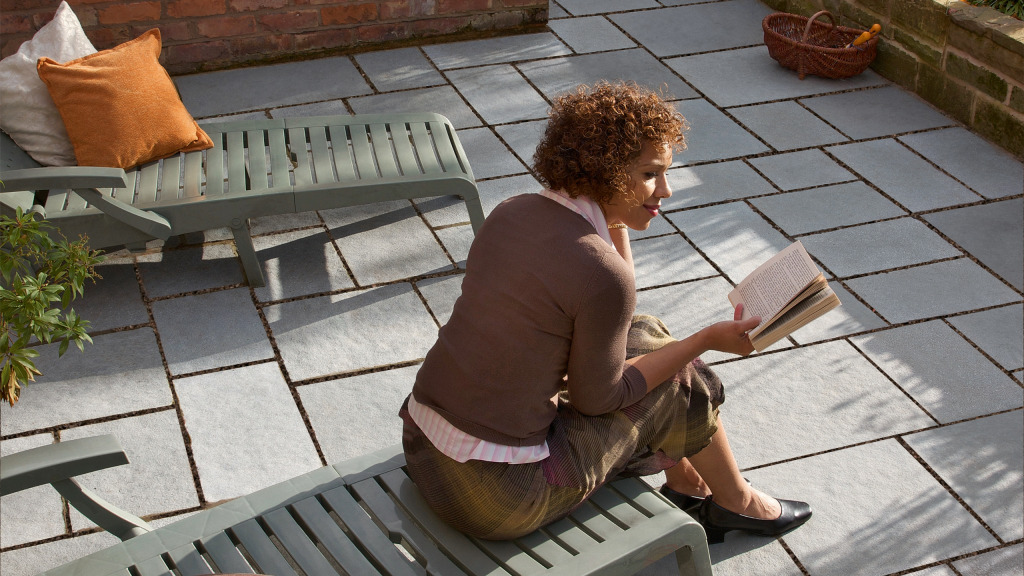
Limestone: Natural Stone Serenity
Genuine quarried natural stone with quiet, one-of-a-kind variation — ideal for patios, entrances, and reading-nook corners.
Read the guide →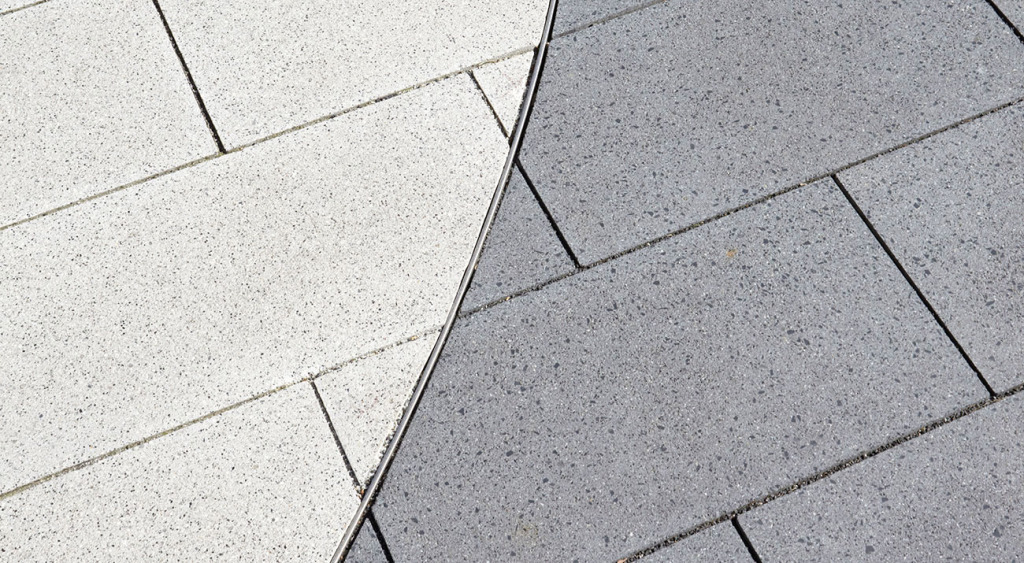
Arcana: Sculptural Porcelain-Look Slabs
Large-format, fine-blasted slabs with a speckled granite-and-marble look — sculptural, modern, and non-slip around water.
Read the guide →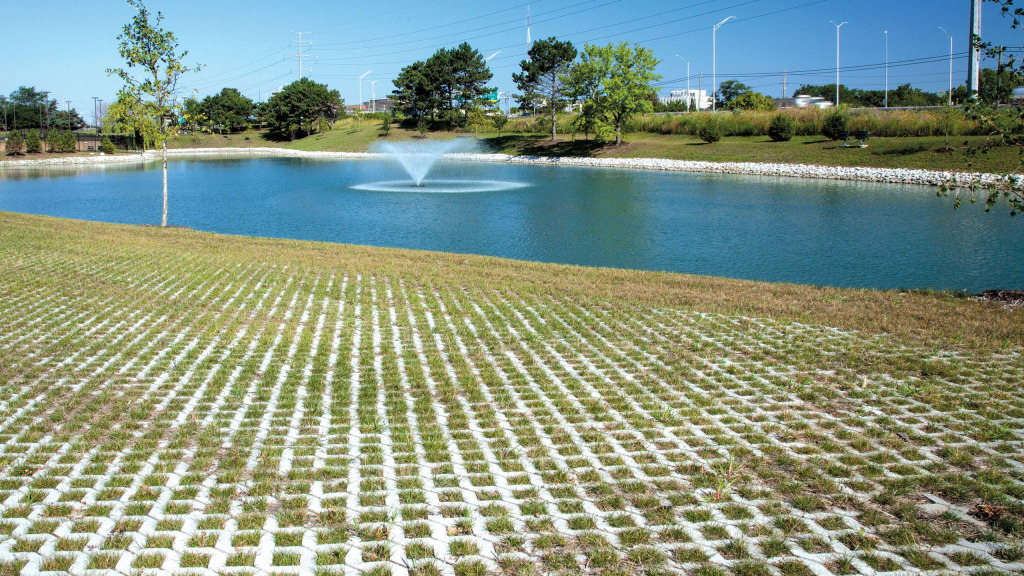
Turfstone: The Driveway Extension That Stays Green
A grass-filled, load-bearing paver for overflow parking, driveway extensions, and erosion control — practical, not decorative.
Read the guide →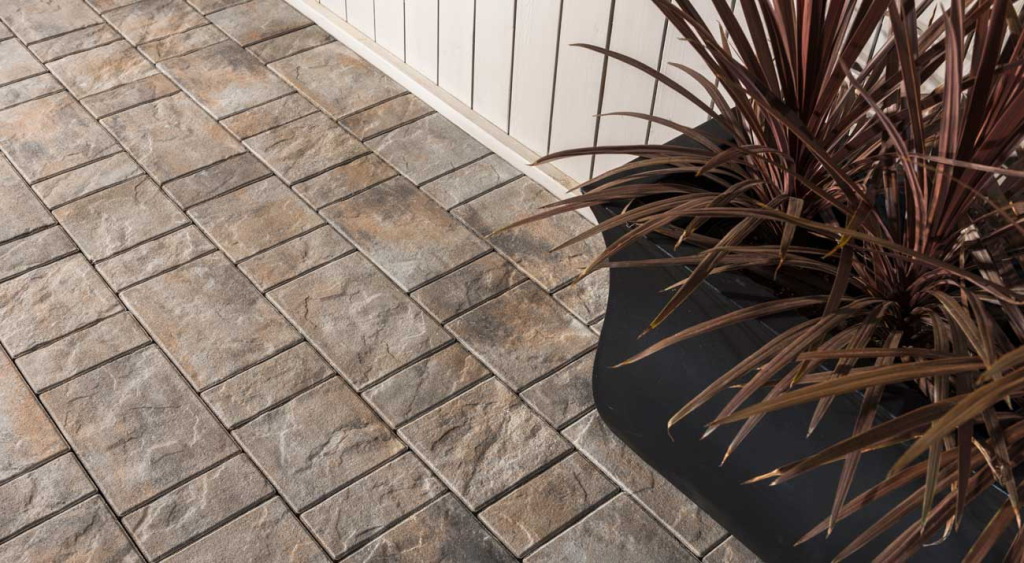
Treo Flagstone: Natural Texture, Smaller Scale
Natural flagstone texture in a smaller-scale format — built for tight patios and curved layouts without excess cutting.
Read the guide →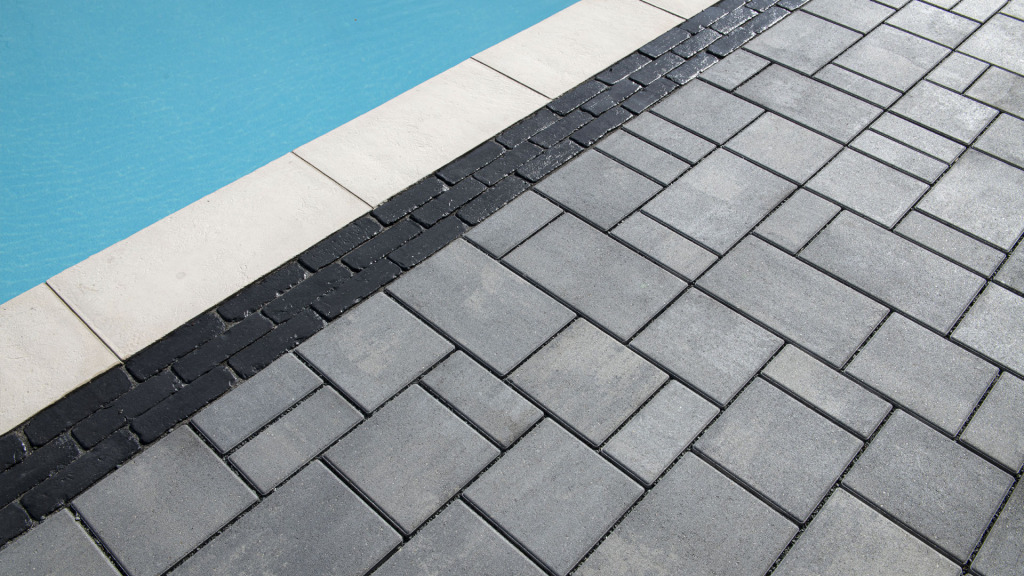
Treo Smooth: Sleek Modern Poolside Pavers
Smooth, factory-sealed pavers built for modern pool decks — cool tones, easy cleanup, minimal visual noise.
Read the guide →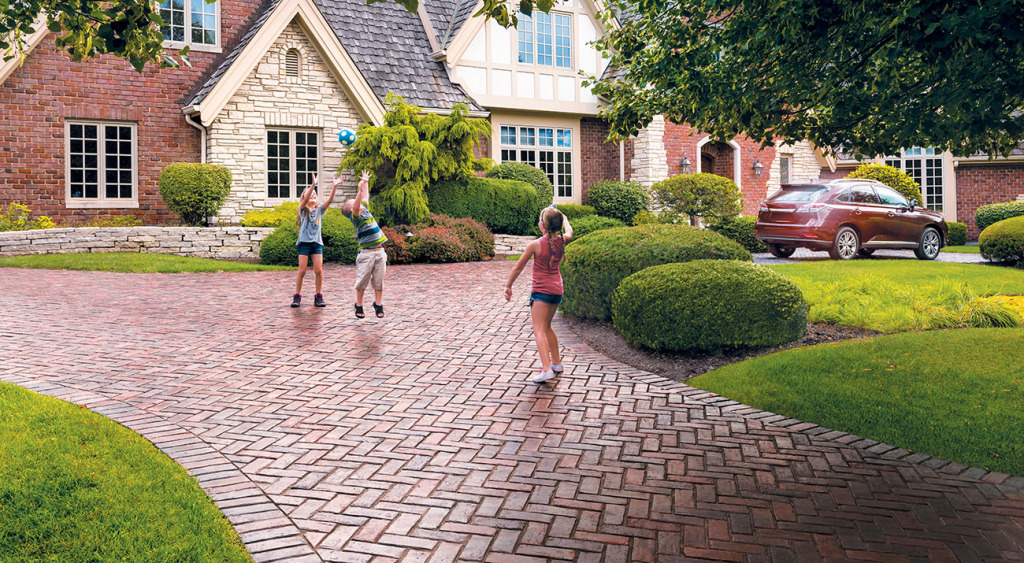
Town Hall: Classic Streetscape Pavers
Vintage clay-street-inspired pavers for driveways and entrances that want to feel established from day one.
Read the guide →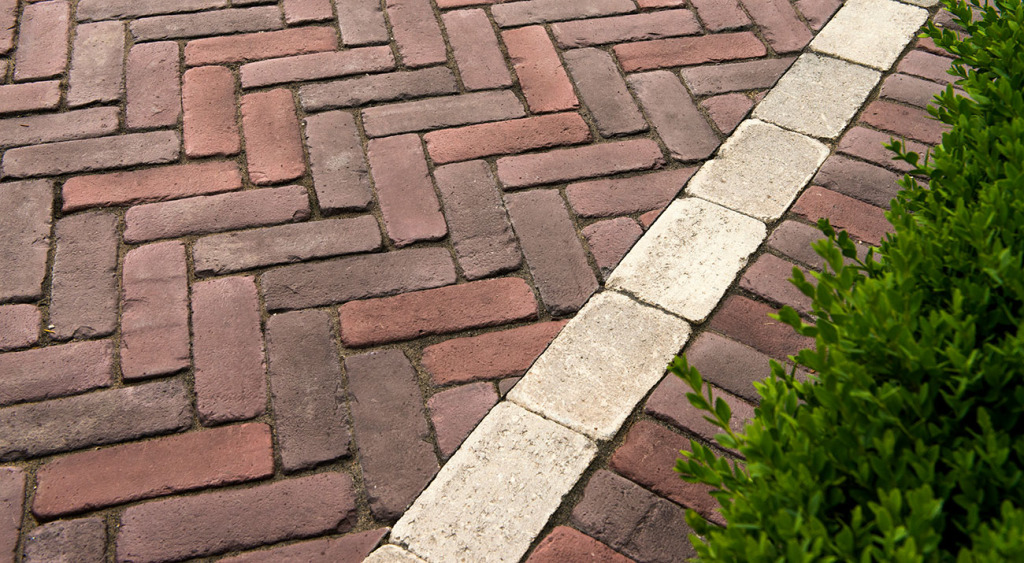
Copthorne: Old-World European Brick
Small-format, timeworn brick pavers inspired by old European streets — ideal for garden paths, curves, and romantic courtyard patios.
Read the guide →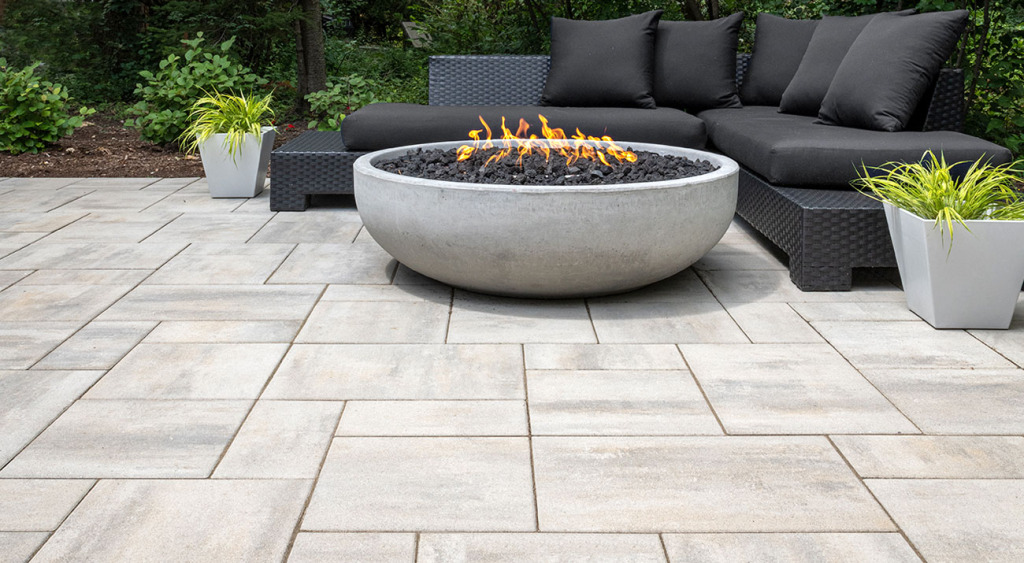
Beacon Hill Smooth: Modern Large-Format Pavers
Large-format, smooth-face pavers built for minimalist fire pit lounges and modern pool patios — clean lines, gallery-neutral colors.
Read the guide →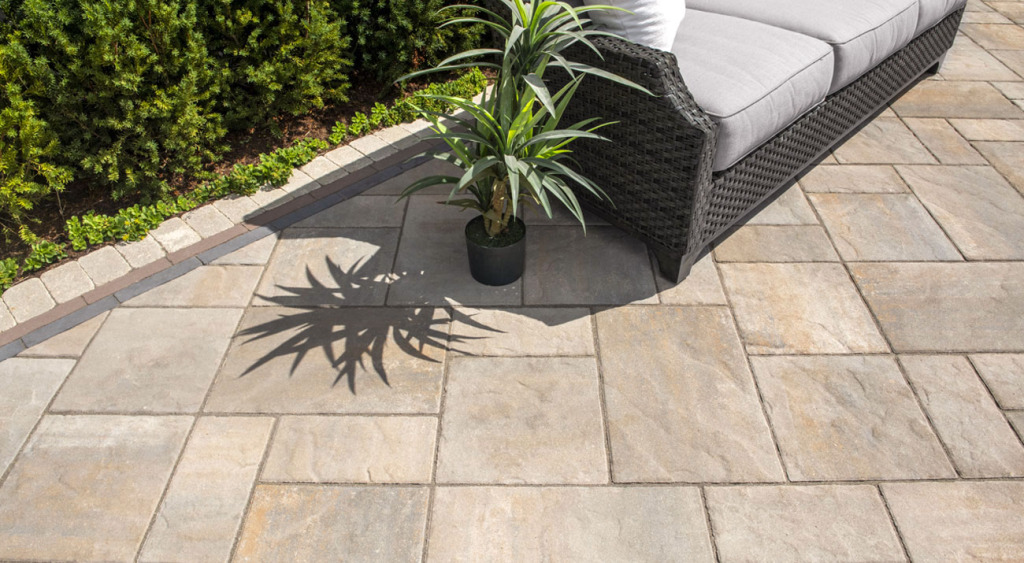
Beacon Hill Flagstone: Large-Format Pavers
Fewer joints, a cleaner contemporary look — where large-format pavers outperform small-unit patterns, and where they don't.
Read the guide →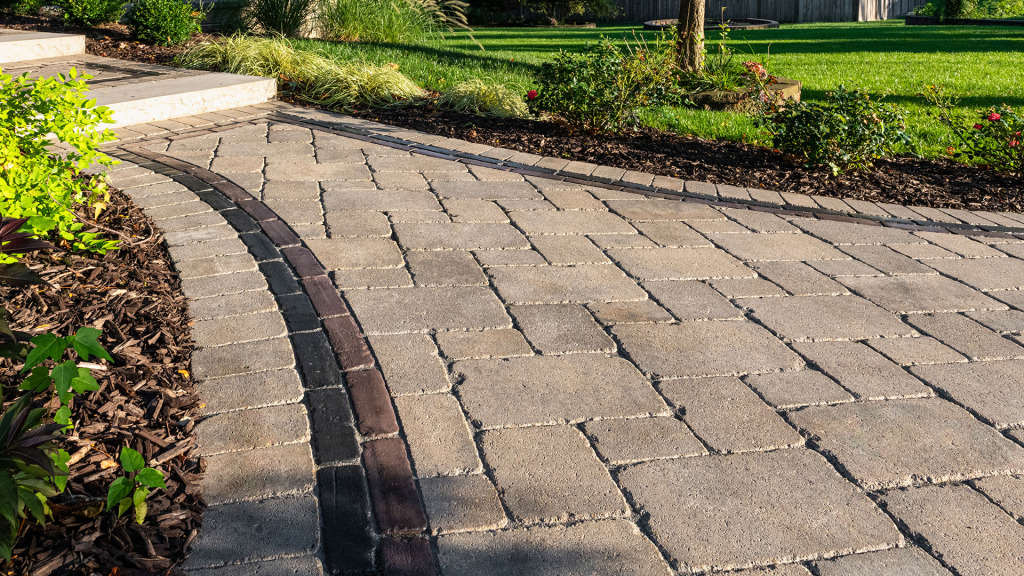
Brussels Block: Classic Tumbled Pavers
A smaller, tumbled-edge paver with a traditional New England look — why it's a common driveway recommendation and where it fits best.
Read the guide →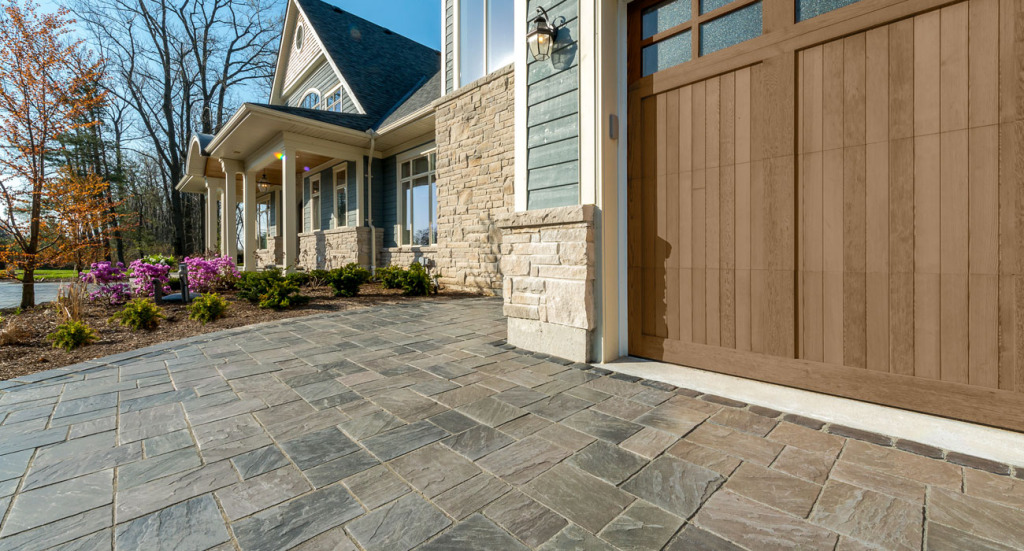
Richcliff: Textured, Natural-Stone-Look Pavers
A cleft, fractured-stone finish that reads closer to natural stone than a smooth paver — where it fits on patios, walkways, and…
Read the guide →